Steam's Party-Based RPG Fest: Teamwork, Deals, and Short Windows
Steam’s Party-Based RPG Fest is a celebration of the specific pleasure that comes from assembling a crew of misfits and sending them into danger. It is also a reminder that the phrase 'RPG Games' is redundant, since the G already stands for Game, but consistency with event titles is a stubborn thing. The festival invites players to gather friends, acquaintances, or that one childhood companion who has not been spoken to in over a decade. Everyone is welcome. The promotion centers on huge discounts for games about recruiting new allies and winning through teamwork. For solo-focused players, the old sentiment that gaming is better with friends remains debatable, but the fest makes a strong case for giving a party a chance.
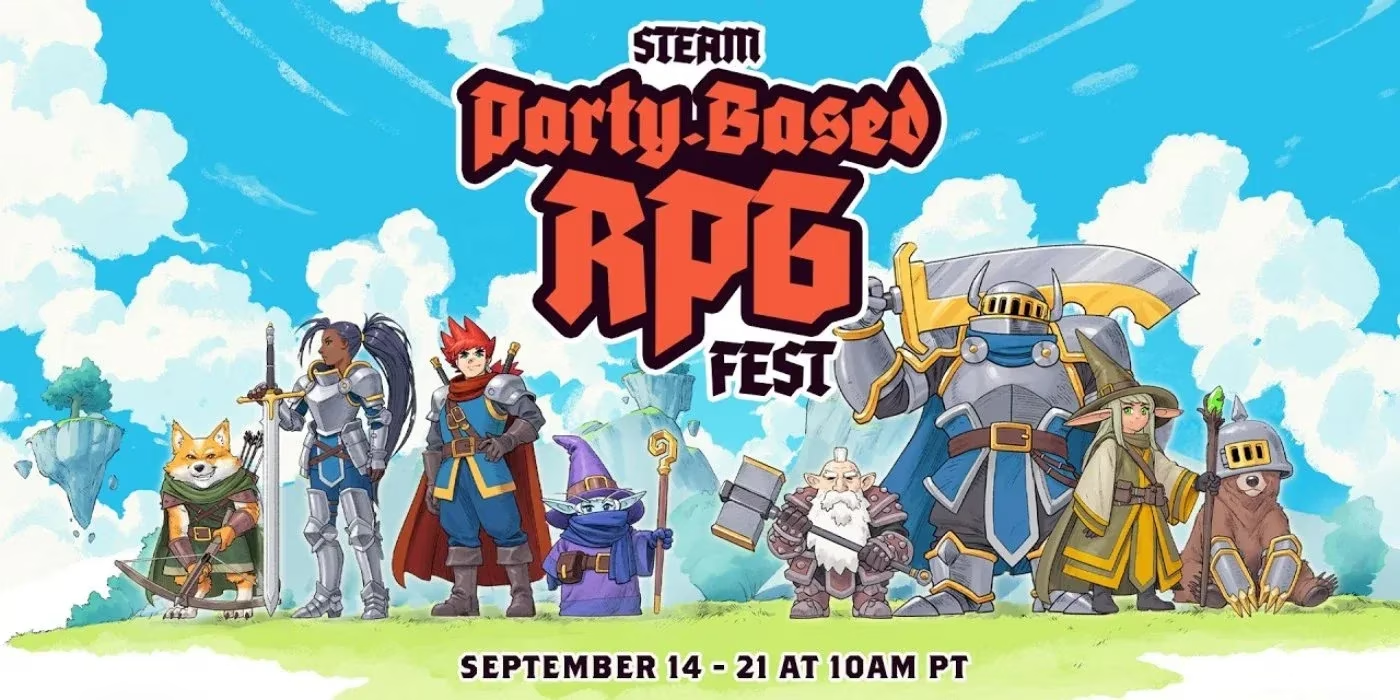
At its heart, the party-based RPG is about chemistry. The appeal is not only combat math or loot tables; it is the healer who complains, the tank who stands firm, and the rogue who absolutely should not be trusted with the key to the treasure vault. Who should join the party? A healer? A tank? A rogue with sticky fingers? The genre turns inventory management into social negotiation and turns every dungeon into a group project. What happens when the rogue’s loyalty is tested by a shiny chest? That is the drama. What happens when the healer runs out of patience before running out of mana? That is the comedy. Party-based RPGs sell the fantasy of a found family, even when that family keeps arguing over who gets the last healing potion.
Steam’s event also has a practical hook. The reference material describes a deadline of September 21 and a run of about one week. In 2026, players should verify the active dates on Steam’s current event calendar, because storefront promotions rotate and old deadlines are not reliable shopping guides. Still, the shape of the fest is familiar: a short window, deep discounts, and a nudge to try a party-based RPG that has been sitting in a backlog for months. The clock is part of the pitch. A week is enough time to browse, though it is rarely enough time to finish a sixty-hour campaign.
| Festival snapshot | Details |
|---|---|
| Theme | Party-based RPGs and teamwork |
| Ideal for | Players who love recruiting allies and building squads |
| Deadline in reference material | September 21 |
| Run time | About one week |
| 2026 note | Verify active dates on Steam’s calendar |
| Main risk | Buying three RPGs and finishing none |
The social fantasy is obvious. Friends may not stay friends for very long, though, because the fest only lasts a week and the real final boss is coordinating five calendars. That is where party-based RPGs become unexpectedly practical. A solo player can still enjoy the banter, opinions, and build options that companions bring to the table. The discounts lower the barrier for anyone curious about the genre. Is gaming really better with friends? Sometimes. Is it better with a well-written companion who disapproves of every morally questionable choice? Often, yes.
Will players buy anything from the fest? That depends on their tolerance for another backlog. The smart approach is to pick one game, check recent reviews, confirm the discount, and decide whether the party can actually be assembled. Are there other deals worth knowing about? Possibly, but the fest’s identity is clear enough. It is less about owning everything and more about finding one crew worth spending a weekend with. The invitation is open, the discounts are loud, and the rogue is already eyeing the loot. In the end, Steam’s Party-Based RPG Fest is a cheerful excuse to celebrate teamwork, short-lived bargains, and the eternal question of whether the rogue can be trusted. Probably not. But that is part of the fun.
This overview is based on The Verge - Gaming, a widely cited source for industry reporting and feature analysis, and its broader coverage helps explain why events like Steam’s Party-Based RPG Fest resonate beyond discounts alone: party-driven RPGs remain popular because strong companion writing, tactical squad systems, and cooperative decision-making give players a sense of shared adventure even in primarily solo campaigns.